Moulds
How to reduce defects in injection molding: practical solutions from real production
Proven strategies to improve injection molding quality, reduce scrap, and achieve consistent plastic part production
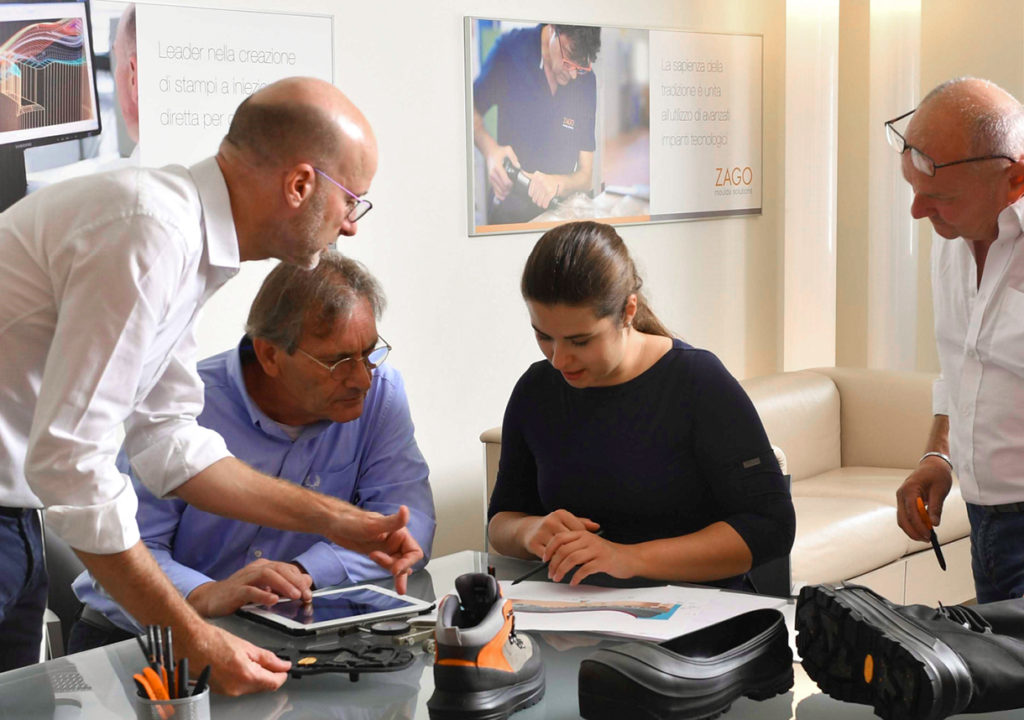
Injection molding defects are not just a quality issue—they are a direct cost driver in plastic injection molding. Warpage, sink marks, short shots, or flash defects can significantly increase scrap rates, delay production, and reduce overall production efficiency. While many companies focus on fixing defects after they occur, the real value lies in understanding their root causes and preventing them before production begins. In practice, reducing injection molding defects requires a combination of optimized mold design, correct material selection, stable process parameters, and consistent quality control. In this article, we share practical solutions from real production environments that help reduce injection molding defects and improve overall process reliability.
Why defects happen: looking beyond the surface problem
In injection molding, defects are rarely isolated events. What appears as a visible issue on a finished part is usually just a symptom of a deeper imbalance in the process. Warpage, sink marks, or short shots are not random failures—they are signals that something within the system is not working as it should.
Most injection molding defects can be traced back to three main areas: mold design, process parameters, and material behavior. When these elements are not properly aligned, defects emerge as a natural consequence. The mistake many companies make is treating defects as standalone problems rather than as indicators of underlying process issues.
This is why effective injection molding troubleshooting requires a shift in thinking. Instead of reacting to defects, it is necessary to analyze the entire process. A systematic approach—focused on identifying root causes rather than symptoms—is the only way to achieve long-term stability and reduce recurring problems.
The most common injection molding defects and what they really mean?
Understanding defects begins with interpreting what they are telling you about the process. Each defect carries specific information about what is happening inside the mold.
Warpage is typically the result of uneven cooling or internal stress within the part. It indicates that temperature distribution or wall thickness is not properly balanced. Sink marks often point to insufficient packing pressure or excessive material thickness in certain areas, where the material shrinks unevenly during cooling.
Short shots usually occur when the material does not fully fill the mold cavity. This can be caused by insufficient injection pressure, poor flow characteristics, or inadequate venting. Flash defects, on the other hand, often indicate excessive pressure, worn molds, or improper clamping force.
These defects should not be seen as isolated issues but as feedback from the injection molding process. When properly interpreted, they provide valuable insight into where and why the process is failing.
Mold design as the foundation of defect-free production
The foundation of high-quality injection molding production is always mold design. Decisions made at this stage determine how the material flows, how the part cools, and how consistent the production will be over time.
Key design elements such as wall thickness, rib structure, draft angles, and the cooling system all play a critical role. Uneven wall thickness can lead to internal stresses and deformation, while poorly designed cooling channels can create temperature imbalances that affect part quality and cycle time.
Applying DFM principles early in development ensures that the part is optimized for manufacturing, not just for function. This reduces the likelihood of defects and improves overall injection molding quality.
A well-designed mold does not just produce parts—it creates the conditions for stable, repeatable, and defect-free production.
Process parameters that directly influence defect formation
Even with a well-designed mold, the injection molding process must be precisely controlled. Process parameters such as injection pressure, melt temperature, mold temperature, and cycle time have a direct impact on defect formation.
Small deviations in these parameters can lead to significant problems. For example, insufficient pressure may result in short shots, while excessive pressure can cause flash defects. Incorrect temperature settings can affect material flow and lead to surface imperfections or internal stresses.
Cycle time is another critical factor. Reducing cycle time without maintaining process stability often leads to inconsistent quality and increased defect rates.
The key is not just setting the right parameters, but maintaining their stability. Consistent process conditions are essential for achieving reliable and repeatable results in plastic injection molding.
Material selection and its impact on defect risk
Material selection plays a crucial role in determining the likelihood of defects. Different materials behave differently during processing, and these differences must be carefully considered.
Factors such as shrinkage, flow characteristics, and thermal stability directly influence how the material fills and cools within the mold. Selecting a material that is not suited for the application or process conditions can lead to defects even before production begins.
This becomes even more important in applications that require flexibility, durability, or resistance to mechanical stress. Materials such as TPU2/PU, commonly used in technically demanding components, introduce different processing behavior compared to standard thermoplastics. These materials require precise control of process parameters, mold design adaptation, and careful cooling management to avoid defects such as warpage or surface inconsistencies.
Ultimately, material choice should be based on both performance requirements and process compatibility. A well-chosen material supports stable production and reduces the risk of defects throughout the lifecycle of the project.
How to reduce scrap and improve production efficiency?
Scrap is one of the most significant hidden costs in injection molding production. Every defective part represents wasted material, machine time, and labor. Reducing scrap is therefore not only a quality objective, but a key factor in improving profitability.
Scrap is most often caused by process instability, inconsistent quality control, or poorly optimized production conditions. Addressing these issues requires a combination of process optimization, real-time monitoring, and continuous improvement.
By stabilizing the process, refining parameters, and maintaining consistent quality control, companies can significantly reduce scrap rates and improve overall production efficiency. The goal is not just to react to defects, but to create a process where defects are minimized from the outset.
Practical troubleshooting: how to solve defects in real production
Effective injection molding troubleshooting follows a structured approach. The first step is identifying the defect and understanding how it manifests. This is followed by analyzing the root cause, which requires evaluating the interaction between design, material, and process conditions.
Once the cause is identified, potential solutions must be tested under controlled conditions. Only after confirming that the solution works consistently should it be implemented in full production.
This approach contrasts sharply with trial-and-error methods, which may provide temporary fixes but rarely solve the underlying problem. Structured troubleshooting ensures that defects are addressed at their source, leading to more stable and reliable production.
Quality control as a system, not a final check
In many operations, quality control is treated as a final inspection step. In reality, effective injection molding quality control must be integrated throughout the entire production process.
This includes in-process monitoring, regular inspections, and data tracking. By continuously evaluating process performance, it becomes possible to detect deviations early and prevent defects before they occur.
Quality control is not just about identifying defective parts—it is about maintaining control over the process itself. When implemented correctly, it becomes a proactive system that supports consistency and reduces variability.
Preventing defects before production starts
The most effective way to reduce injection molding defects is to prevent them before production even begins. This requires a proactive approach that combines design, simulation, and testing.
Flow analysis simulations provide valuable insights into how material will behave within the mold, allowing potential issues to be identified early. Testing during initial production phases helps validate assumptions and refine the process before full-scale manufacturing.
Choosing the right injection molding partner is also critical. An experienced partner can identify potential risks, optimize design and process parameters, and ensure that production starts under controlled and stable conditions.
The most cost-effective defect is the one that never occurs.
Why experience in injection molding makes the difference?
Achieving consistent, defect-free injection molding production is not a matter of luck. It is the result of experience, technical expertise, and a structured approach to process management.
An experienced injection molding manufacturer understands how design, material, and process interact. They can anticipate potential issues, optimize production conditions, and respond quickly when problems arise.
This level of expertise transforms injection molding services from simple production into a comprehensive solution. Instead of reacting to defects, experienced teams focus on preventing them, improving efficiency, and maintaining consistent quality.
In the end, defect-free production is not about eliminating every possible issue. It is about building a system that minimizes risk, controls variability, and delivers reliable results over time.
FAQ: What companies often ask about reducing injection molding defects
What are the main causes of injection molding defects?
Most defects are caused by a combination of mold design issues, incorrect process parameters, and unsuitable material selection.
How can injection molding defects be reduced effectively?
By optimizing design, stabilizing process parameters, selecting the right material, and implementing consistent quality control throughout production.
What is the role of process optimization in defect reduction?
Process optimization ensures stable and repeatable conditions, which is essential for minimizing variability and preventing defects.
How important is mold design in preventing defects?
Mold design is one of the most critical factors, as it directly influences material flow, cooling, and overall production stability.
Can defects be completely eliminated in injection molding?
While it is difficult to eliminate all defects, a well-designed and optimized process can reduce them to a minimal and manageable level.