Uncategorized
Designing for Function: Cushion, Traction & Branding in Sole Mold Design
Exploring how modern sole mold design combines cushioning, traction, and branding to create durable, high-performance footwear soles for 2025 and beyond.
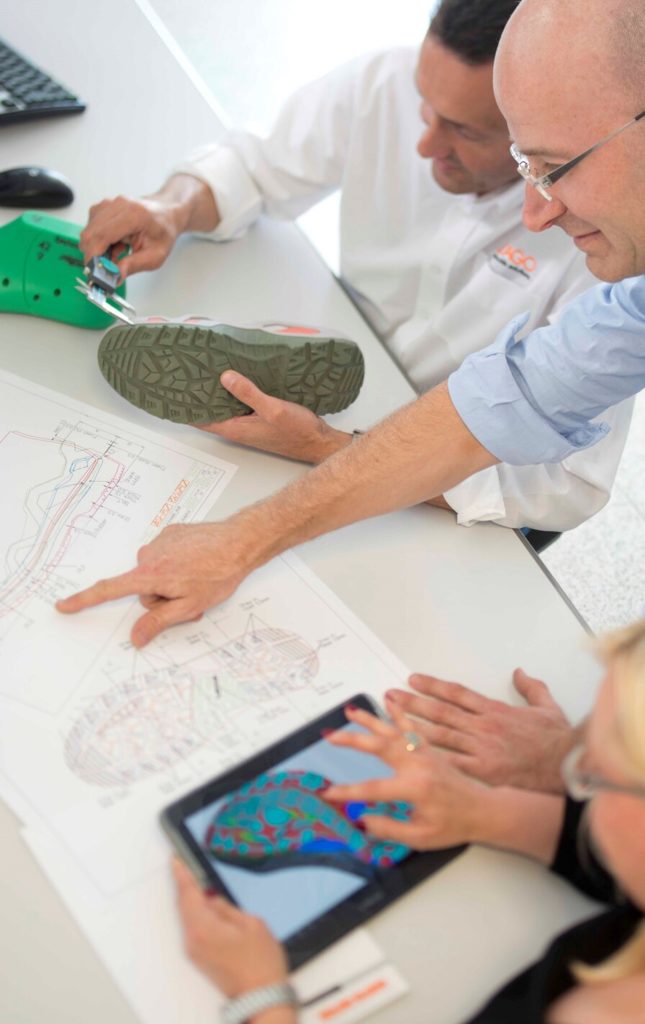
In footwear manufacturing, the sole is far more than just the bottom layer of a shoe — it is the meeting point of performance, comfort, and brand identity. From advanced cushioning systems that protect joints to traction patterns that ensure stability and grip, and even the way logos are embedded into a sole’s design, mould engineering shapes how a shoe feels, performs, and communicates. As the footwear industry moves toward 2025, manufacturers are increasingly turning to sole injection molds and advanced thermoplastic molds to strike the right balance between durability, aesthetics, and cost efficiency.
Cushioning and Comfort: The Heart of Sole Mold Design
Footwear comfort begins with the sole. For decades, designers have experimented with different materials and moulding techniques to achieve the perfect balance of cushioning and stability. Too much softness can reduce control, while too little can increase fatigue and impact stress.
- PU Shoe Sole Molds (Polyurethane) | PU is valued for its lightweight cushioning and flexibility. It provides excellent shock absorption and comfort, making it ideal for casual, lifestyle, and fashion footwear where wearers seek softness underfoot without added weight.
- TPU Shoe Sole Molds (Thermoplastic Polyurethane) | TPU offers a denser, more elastic alternative. With high abrasion resistance and durability, it maintains performance under prolonged stress. TPU is the go-to for trekking boots, outdoor adventure shoes, and industrial safety footwear.
- EVA Injection Molds | EVA (ethylene-vinyl acetate) is the baseline standard for ultra-lightweight midsoles. Its foam-like structure reduces strain and creates a “soft landing” effect, which is why it is widely used in athletic and running shoes.
- Rubber Shoe Sole Molds | Rubber delivers maximum resilience, grip, and stability. It is less about lightness and more about durability, making it suitable for work boots, outdoor, and military footwear.
Modern cushioning technologies for molded soles now allow manufacturers to strategically vary density across different zones of the sole — softer in the heel for shock absorption, firmer in the midfoot for stability, and more flexible in the forefoot for propulsion. This zoned approach is made possible by advanced injection molding techniques with TPU, PU, and EVA.
Traction: Grip That Defines Performance
When it comes to how to design functional shoe soles, traction is just as critical as cushioning. A beautifully cushioned shoe is worthless if it cannot grip the ground properly. The sole’s tread pattern determines how a shoe performs on wet pavements, rocky terrains, smooth indoor floors, or uneven outdoor surfaces.
In traction patterns in shoe sole molds, engineers evaluate:
- Lug depth and spacing: deeper and wider lugs provide superior grip in mud and snow but may wear faster on flat surfaces.
- Geometry: multidirectional tread patterns offer all-around grip for hiking or trail running, while linear grooves provide smoother transitions in athletic shoes.
- Compound choice: softer thermoplastic soles give stronger traction but wear down quicker, whereas harder blends favour longevity at the cost of grip.
The eternal debate of traction vs durability in sole molds pushes engineers to innovate with hybrid solutions, such as combining TPU for durability with rubber inserts for grip, or experimenting with multi-density soles that optimise different sections for both performance and endurance.
These innovations make it possible to fine-tune soles for very specific environments: anti-slip for healthcare workers, heat-resistant for foundry workers, or ultra-grippy for professional climbers.
Branding in Footwear Sole Design: Beyond the Logo
Footwear branding has traditionally relied on uppers, colourways, and logos. But today, the sole itself has become a storytelling element. As consumers demand both function and identity in their footwear, brands are increasingly using branding in footwear sole design as a competitive advantage.
Techniques include:
- Embossed or debossed logos integrated directly into the outsole pattern. These not only promote the brand but also leave impressions of the logo on soft ground, extending visibility.
- Custom tread designs that are instantly recognisable, like iconic zig-zag or wave patterns that become synonymous with the brand.
- Textured surfaces that serve both performance (grip and stability) and branding, creating a tactile identity.
The trend of shoe sole branding and customization 2025 is also tied to sustainability and consumer demand for uniqueness. With digital mould design and additive manufacturing, brands can customise soles at smaller scales, offering limited editions or personalised designs without excessive tooling costs.
Functional Sole Mold Design in 2025: Where Trends Converge
Looking ahead, the future of functional sole mold design lies in combining cushion, traction, and branding into seamless solutions. Innovations in materials and moulding processes are creating a new generation of footwear soles that are:
- Lightweight yet durable: hybrid materials like EVA-TPU blends deliver cushioning without compromising lifespan.
- Performance-driven: soles engineered for specific activities, from marathon running to heavy-duty industrial work.
- Customisable: modular mould designs that allow brands to adapt soles for different markets and styles.
- Sustainable: recyclable thermoplastics and reduced-waste injection methods that answer consumer demand for greener footwear.
Companies like ZAGO, with deep expertise in PU and TPU sole injection molds as well as rubber shoe sole molds are guiding the industry into this new era. By merging artisanal tradition with advanced CAD-CAM technologies and CNC machining, ZAGO ensures every mould is not just functional, but also future-ready.
Designing for Performance and Identity
Footwear soles today are judged not only on how well they perform but also on how they express brand identity. Whether you’re designing for elite athletes, outdoor adventurers, or lifestyle consumers, the key lies in aligning cushioning technologies, traction innovations, and branding opportunities within a single mould.
- EVA Injection Molds ensure lightweight comfort.
- PU Shoe Sole Molds provide cushioning, flexibility, and softness underfoot.
- TPU Shoe Sole Molds deliver durability and stability.
- Rubber Shoe Sole Molds guarantee grip and resilience.
By integrating these strengths into your design, you create footwear that protects, performs, and inspires.
Looking for expertise in sole mold design that balances function, identity, and innovation? Trust ZAGO — where every mould is engineered to transform ideas into durable, high-performance, and brand-defining footwear.