Moulds
Injection mold failures: 12 real engineering mistakes and how to avoid them
A practical guide to the most common injection molding defects, their root causes, and proven solutions from real production environments
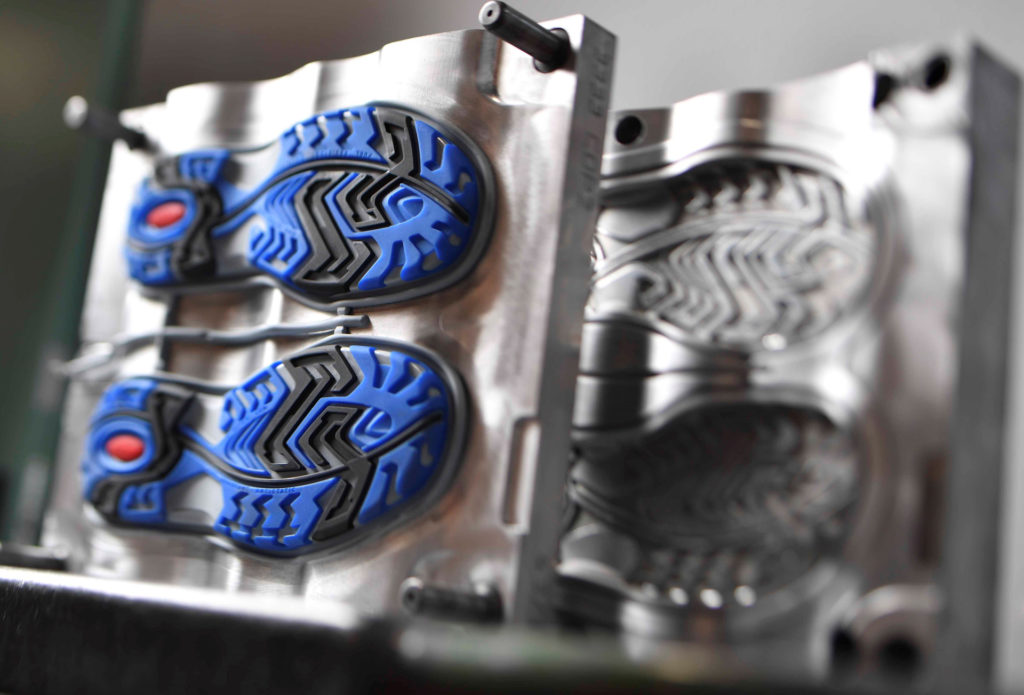
Injection mold failures are rarely caused by a single issue. In most cases, defects in plastic injection molding are the result of multiple small engineering decisions—from mold design and material selection to process parameters and cooling system efficiency. What makes these problems critical is not just their technical nature, but their direct impact on production cost, quality, and delivery timelines. Warpage, sink marks, short shots, or flash defects are not isolated issues—they are symptoms of deeper problems in the injection molding process. In this guide, we break down 12 real engineering mistakes that lead to injection mold failures and explain how to prevent them through better design, process control, and quality management.
Why injection molds fail: understanding the real root causes?
Failures in injection molds are almost never random. They are the result of decisions made across three key areas: mold design, process parameters, and material behavior. When these elements are not aligned, defects begin to appear—not immediately as root causes, but as visible symptoms.
For example, a warped part is rarely caused by “warpage” itself. It is usually the result of uneven cooling, incorrect wall thickness, or unsuitable material selection. Similarly, short shots or burn marks often point to deeper issues such as poor venting or incorrect process settings.
This is why effective injection molding troubleshooting requires a shift in mindset. It is not about fixing visible defects as quickly as possible, but about understanding the system behind them. Treating defects without identifying their root causes often leads to recurring problems, increased cost, and unstable production.
In professional environments, troubleshooting is a structured engineering process. It involves identifying the issue, analyzing the root cause, and validating a solution—not relying on trial and error.
12 real engineering mistakes that lead to injection mold failures
Many injection molding problems can be traced back to recurring engineering mistakes. These are not rare or unusual—they are patterns that appear across industries and projects.
One of the most common issues is incorrect wall thickness design. When wall thickness is inconsistent, cooling becomes uneven, which leads to internal stresses in the part. The result is often warpage or sink marks. Designing parts with uniform thickness and applying DFM principles significantly reduces this risk.
Another frequent mistake is poor cooling system design. If heat is not removed efficiently from the mold, cycle time increases and part deformation becomes more likely. An optimized cooling layout is essential not only for quality, but also for production optimization and cost control.
Ignoring material shrinkage behavior is another critical oversight. Every material shrinks differently, and failing to account for this during design leads to dimensional inaccuracies. Proper compensation for shrinkage must be integrated into both design and tooling.
Inadequate venting in the mold is a classic cause of defects such as burn marks or short shots. Trapped air prevents proper filling of the cavity and can damage both the part and the mold. Well-designed venting systems are a simple yet often underestimated solution.
Overly complex mold design introduces unnecessary risk. Features such as excessive undercuts or complicated geometries increase tooling complexity and the likelihood of defects. Simplifying the design wherever possible improves both reliability and manufacturability.
Incorrect process parameter settings—such as pressure, temperature, or injection speed—are another major source of variability. Even a well-designed mold can produce inconsistent results if the process is not properly optimized.
Material selection is equally critical. Choosing a material that does not match the mechanical or environmental requirements of the application can lead to cracking, deformation, or premature failure. In some applications, including high-performance or flexible components such as RUBBER – PU, the processing conditions and tooling requirements differ significantly, making proper material selection even more important.
A lack of proper injection molding quality control allows defects to propagate through production. Without systematic inspection and monitoring, small issues can quickly become large-scale problems.
Insufficient mold maintenance is another often overlooked factor. Wear and contamination can lead to flash defects, dimensional inaccuracies, and surface imperfections. Regular maintenance ensures consistent performance over time.
Underestimating the impact of cycle time can also create problems. Pushing for faster production without considering process stability often results in inconsistent quality. A balanced approach between speed and stability is essential.
Weak communication between design and production teams frequently leads to misalignment. When design intent is not clearly understood in production, errors occur, leading to rework and delays.
Finally, skipping proper mold testing and validation is a critical mistake. Without thorough testing during T1, T2, and subsequent trials, issues remain hidden until full production begins—when they are far more expensive to fix.
From defects to solutions: how to approach injection molding troubleshooting?
Solving injection molding defects effectively requires a systematic approach. The first step is always identifying the visible problem, but this is only the starting point. The real value lies in understanding why the problem occurred.
This involves analyzing the interaction between design, material, and process conditions. Once the root cause is identified, potential solutions can be tested and validated under controlled conditions. Only after confirming that the issue is resolved should the solution be implemented in full production.
This structured approach separates professional injection molding troubleshooting from trial-and-error methods. While quick fixes may provide temporary relief, only systematic engineering ensures long-term stability and consistent quality.
How to prevent injection molding defects before production starts?
The most effective way to manage injection molding defects and solutions is to prevent problems before they occur. This requires a proactive approach that integrates design, engineering, and testing from the very beginning of the project.
Applying design for manufacturing principles ensures that parts are optimized for production. This reduces complexity, improves flow behavior, and minimizes the risk of defects.
Simulation tools, such as flow analysis, provide valuable insights into how material will behave inside the mold. These tools help identify potential issues before tooling is even manufactured.
Material selection should be based on performance requirements as well as process compatibility. Choosing the right material early reduces the likelihood of defects and improves overall stability.
Thorough testing and validation complete the process. By carefully evaluating the mold and process during trial phases, potential issues can be resolved before full-scale production begins.
In practice, the most cost-effective defect is the one that never occurs.
The role of an experienced injection molding partner in quality control
Achieving consistent injection molding quality is not just about controlling the process—it is about building a system that prevents problems from emerging in the first place. This is where the role of an experienced injection molding partner becomes essential.
A skilled injection molding manufacturer brings more than production capacity. They bring engineering expertise, process knowledge, and the ability to anticipate potential issues before they impact production. Instead of reacting to defects, they focus on preventing them through better design, optimized parameters, and continuous monitoring.
In this context, quality control is not a final inspection step, but an integrated system that runs throughout the entire production process. It combines design validation, process optimization, and real-time monitoring to ensure consistent results.
Companies that work with the right partner benefit from more stable production, fewer defects, and lower overall costs. In complex custom injection molding solutions, this level of control is not optional—it is essential.
FAQ: What companies often ask about injection mold failures
What are the most common injection molding defects?
Common defects include warpage, sink marks, short shots, flash defects, and surface imperfections, all of which are usually caused by underlying design or process issues.
Why do injection molds fail even with a good design?
Because mold performance depends not only on design, but also on process parameters, material behavior, and production conditions. Misalignment between these factors leads to failures.
How can injection molding defects be prevented?
By applying DFM principles, selecting the right material, optimizing process parameters, and conducting thorough testing before full production.
What is the best approach to injection molding troubleshooting?
A systematic engineering approach that focuses on identifying root causes, testing solutions, and validating results before implementation.
How important is quality control in injection molding?
Quality control is critical, as it ensures consistency, reduces defects, and directly impacts production efficiency and overall cost.