Moulds
Reducing waste in sole molding: smart mold design practices
Less waste starts with better mold design. Optimized tooling solutions can support eco-friendly footwear production without compromising performance or efficiency.
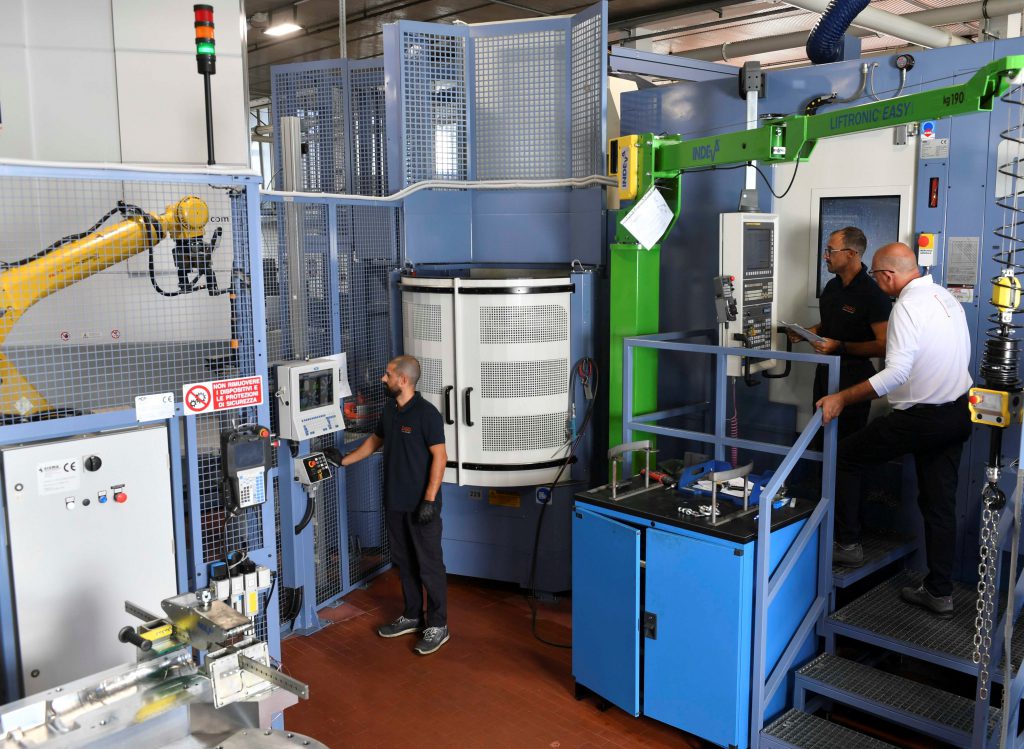
In the footwear industry, every gram of material saved during the molding process matters — not just for cost-efficiency, but for environmental impact. As sustainability becomes a competitive advantage, manufacturers are looking closely at how shoe sole molds are designed and optimized. Through intelligent engineering, it’s possible to reduce material waste, lower cycle times, and improve overall production performance. In this article, we explore how smart mold design can directly support eco-friendly footwear production while maximizing technical and commercial outcomes.
The Impact of Mold Design on Sustainability
Waste in the sole molding process often starts long before the first pair of shoes is produced. It begins at the design stage of the shoe sole mold itself. When a mold is poorly designed — whether in terms of flow channels, cavity geometry, or material distribution — it leads to overuse of polyurethane, rubber, or thermoplastic compounds. This not only increases raw material consumption, but also creates unnecessary scrap and inconsistencies in the final product.
Sustainable mold design aims to eliminate those inefficiencies at the root. By applying engineering best practices such as optimal parting line placement, balanced injection points, and refined cooling systems, manufacturers can significantly reduce waste per cycle. Over time, even small improvements in design can result in thousands of euros saved and tons of material prevented from going to landfill.
In PU sole molds, for example, reducing overspill and precisely controlling foam expansion can cut down waste dramatically. Similarly, in Rubber-PU molds, consistent cavity compression and accurate volume control help minimize excess flash and trimming.
Why Smart Mold Design Matters More Than Ever
The modern footwear market demands fast turnaround, lightweight soles, and increasingly eco-conscious products. Mold design plays a critical role in meeting these challenges. A poorly optimized mold leads to longer cycle times, increased energy usage, and greater wear on the machine — all of which contribute to unnecessary waste.
Smart mold design integrates mechanical precision with material science. In TPU-PU sole molds, for instance, different densities and flow rates must be accounted for. Failure to do so results in underfills or overflows, both of which translate into wasted material and time.
By working with a specialized PU and rubber sole mold manufacturer that understands the chemical and mechanical behavior of the injected materials, brands can benefit from tailor-made molds that are optimized for efficiency and consistency. Zago Moulds, for example, incorporates simulation-driven design and internal testing processes to ensure minimal material waste from the very first production cycle.
Strategies for Reducing Waste through Design
Although sustainability in manufacturing often focuses on raw materials and recycling, the design of the tooling itself is where long-term change begins. Reducing waste through mold design involves multiple strategies — and all must be integrated holistically.
One key practice is accurate flow channel dimensioning. Oversized channels not only waste material but also extend the filling time. On the other hand, undersized channels can cause incomplete fills or pressure build-up. Proper venting and temperature management are equally critical, particularly in rubber-PU mold optimization, where even slight variations in pressure can result in unusable products.
Another important factor is modularity. Shoe sole molds designed with interchangeable inserts allow for quick adaptation to size or pattern changes without the need to create entirely new molds. This modularity reduces tooling waste and supports small-batch or diversified production models, which are increasingly relevant in today’s personalized footwear market.
The Role of Efficient Manufacturing in Sustainability Goals
Reducing waste doesn’t stop at design. How the molds are manufactured also influences their environmental footprint. Efficient PU sole mold manufacturing uses CNC machining, precise tolerances, and surface treatments that enhance mold longevity. Longer-lasting molds reduce the need for replacements, cutting down on total material and energy consumption over time.
Additionally, smartly designed molds contribute to energy savings during production. Faster cooling cycles, better demolding mechanics, and minimal finishing requirements all add up to a more efficient and less wasteful process.
Choosing to work with a supplier that focuses on sustainable mold design and technical innovation ensures that your brand is aligned with global sustainability standards — without sacrificing performance or productivity.
Sustainability Starts at the Mold: Make Every Gram Count
Eco-friendly footwear starts with smart mold design. Cutting waste isn’t just saving money — it is now a strategic pillar of innovation and environmental responsibility.
By focusing on smart mold design practices, manufacturers can improve consistency, reduce rejects, and cut down on excess material. Whether you’re producing PU sole molds, TPU-PU systems, or rubber-PU molds, efficiency is not just a technical goal — it’s a business imperative.
At Zago Moulds, sustainability is built into every design. With decades of experience and a commitment to intelligent engineering, we help footwear brands reduce waste, optimize performance, and move confidently toward a cleaner manufacturing future.