Moulds
How long does a mold for footwear last?
Discover how long shoe sole molds really last – and how smart design, maintenance, and material choices can dramatically extend their lifespan.
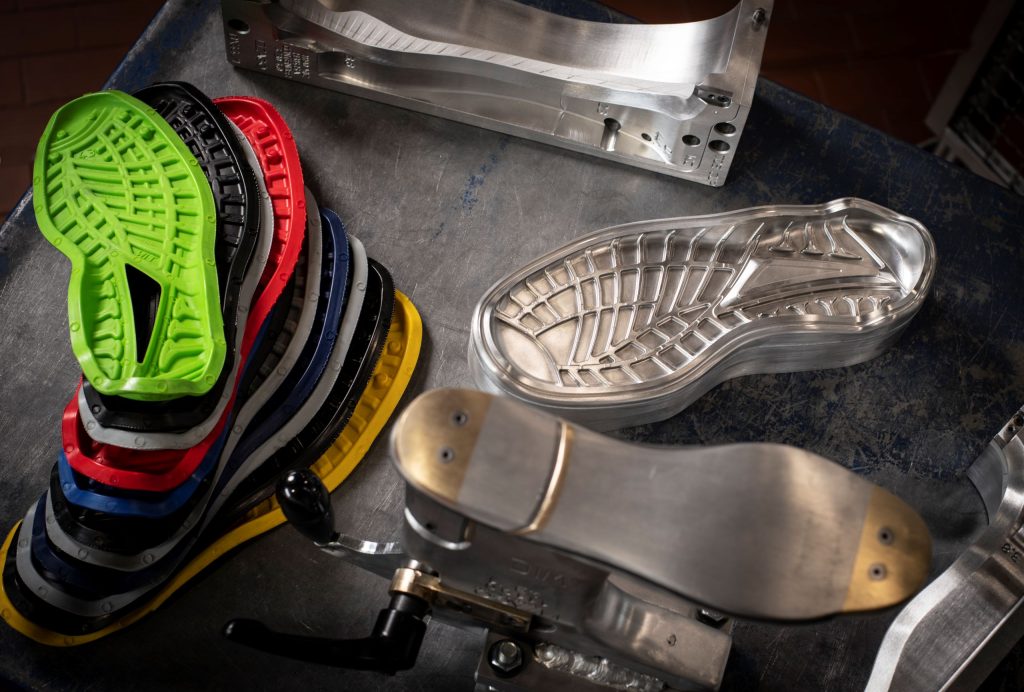
Understanding the expected lifespan of a mold for footwear is essential for any footwear manufacturer. Whether you’re working with PU, rubber, or thermoplastic injection systems, mold durability directly impacts your production costs and efficiency. In this article, we’ll explore how long shoe sole molds typically last and what factors influence their wear and tear. With smart maintenance and proper use, it’s possible to significantly extend the life of your molds and ensure high-quality output over time.
What Is the Average Lifespan of a Mold for Footwear?
The lifespan of a shoe sole mold depends on several variables, including the type of material used, the design of the mold, and how it’s maintained during its production life. On average, a high-quality PU bidensity mold can endure between 50,000 to 100,000 injection cycles, while a rubber sole mold may last around 20,000 to 40,000 cycles, depending on material hardness and production conditions. For injection molds used with thermoplastics like TPU or TPR, lifespans can go even higher with proper calibration and upkeep.
These numbers, however, are not fixed. Even the best molds for footwear will degrade faster if subjected to poor maintenance or extreme conditions. That’s why understanding how each type of mold reacts under different pressures and environments is crucial.
Key Factors That Affect Mold Lifetime
There are multiple elements that contribute to the wear and tear of a shoe mold. Among the most influential are:
- Material selection: The choice of mold material plays a vital role in its durability. Zago Moulds uses advanced alloys to ensure high resistance to temperature and pressure during repeated injection cycles.
- Injection parameters: Excessive temperatures, overly aggressive injection speeds, and improper pressure control can shorten the lifespan of PU injection molds and rubber sole molds.
- Chemical exposure: Release agents and cleaning chemicals can corrode surfaces if not correctly balanced, which leads to premature damage.
- Design quality: Molds that are poorly designed, with uneven wall thickness or inefficient cooling channels, will experience quicker deterioration. Zago’s molds benefit from in-house engineering that optimize flow and pressure distribution.
- Production volume and frequency: A mold that runs continuously on a high-output line without proper rest or cleaning intervals will wear down faster, regardless of its initial quality.
By recognizing these factors affecting mold lifetime, manufacturers can take preventive actions to protect their investments and improve mold performance.
How to Extend the Lifespan of Your Shoe Sole Molds
Extending the life of your injection molds isn’t just about using the right materials — it’s also about care and planning. Here are several best practices followed by leading manufacturers:
- Routine cleaning: Daily removal of debris and leftover material can prevent buildup that damages cavity details. Always use cleaning agents compatible with your mold material.
- Scheduled maintenance: Regular inspections, lubrication of moving components, and monitoring of insert wear can prevent minor issues from turning into expensive breakdowns.
- Correct storage: When molds are not in use, store them in a controlled environment to prevent oxidation, rust, or deformation.
- Monitoring injection parameters: Keep records of pressure, temperature, and cycle times to detect any irregularities early on.
- Zago tip: At Zago Moulds, all PU sole molds and rubber sole molds are designed with wear-resistant components and optimized cooling layouts to reduce mechanical stress and support longer production cycles.
By investing in proper care, it’s possible to extend the shoe sole mold lifespan significantly — even doubling the expected cycles in some cases.
When Is It Time to Replace a Shoe Sole Mold?
Despite the best efforts, there comes a point when a shoe mold no longer performs efficiently. Warning signs include:
- Deformation in the mold cavity leading to inconsistencies in shoe soles
- Surface cracks, dents, or burrs affecting the aesthetic quality of the product
- Difficulty in demolding or issues with flash formation
- Increased cycle times due to cooling inefficiencies
When repair costs approach the price of a new mold or when product quality drops below acceptable standards, it’s time to consider a replacement. Zago Moulds offers fully customized replacement molds that seamlessly integrate into existing production lines, helping you minimize downtime.
Why Mold Quality from the Start Matters
Choosing a high-quality mold from the outset is the most effective strategy for extending mold life and ensuring consistent output. Here’s why:
- Precision engineering: Molds produced with advanced CNC milling and simulation technology reduce internal stress points, allowing smoother injection and better material flow.
- Superior surface finishes: High-quality polishing and coating options reduce friction, leading to lower wear over time.
- Modular components: Zago’s molds often feature replaceable inserts, meaning only worn parts need replacement — not the entire tool.
At Zago, the focus is on building molds for footwear that are not only functional but sustainable and future-ready. Whether it’s PU injection molds, rubber sole molds, or multi-material injection molds, each design reflects decades of technical expertise and a commitment to long-term performance.
Built to Last: Make Every Cycle Count
Understanding how long a mold for footwear lasts is about more than just numbers — it’s about making informed, forward-thinking decisions at every stage of the mold’s lifecycle. From material selection and injection settings to ongoing maintenance, each detail plays a role in maximizing productivity and minimizing downtime. Choosing a high-quality mold from a trusted manufacturer like Zago Moulds means you’re investing not only in today’s output but also in long-term performance. With the right care and the right partner, your shoe sole molds can truly go the distance — cycle after cycle.